Kartini Illustration Cute Character Cart: A Practical Guide to Modern Educational Art
The landscape of educational illustration has shifted significantly in recent years, moving away from rigid, formal depictions toward more approachable and engaging visual styles. Among these emerging trends, the Kartini Illustration Cute Character Cart stands out as a unique fusion of historical reverence and contemporary design aesthetics. This specific style transforms the legacy of Raden Ajeng Kartini, Indonesia's pioneering women's rights activist, into a series of charming, accessible characters that serve as effective tools for teaching history, gender equality, and cultural heritage. For educators, designers, and content creators, understanding the nuances of this style is essential for selecting the right visual resources for their projects.
This article explores what defines the Kartini Illustration Cute Character Cart, how it compares to traditional historical art, and when it is most appropriate to use. By examining the strengths, limitations, and practical applications of this format, you can make informed decisions about integrating these elements into your educational materials or creative campaigns.
Defining the Style: Beyond Traditional Portraiture
To understand the value of the Kartini Illustration Cute Character Cart, one must first distinguish it from standard historical portraiture. Traditional depictions of Kartini often rely on realistic oil paintings, black-and-white photographs, or formal sketches that emphasize her status and the gravity of her era. While these are historically accurate and respectful, they can sometimes feel distant to modern audiences, particularly younger students.
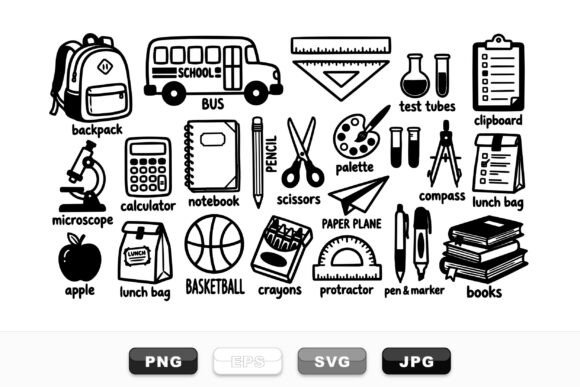
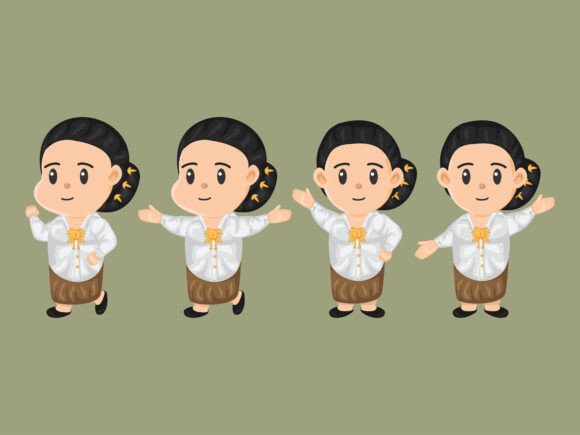
In contrast, the cute character approach reimagines Kartini with stylized features—larger eyes, softer lines, and expressive poses—that align with modern cartooning conventions. The "Cart" aspect refers not just to a literal vehicle, but metaphorically to a collection or a curated set of assets, including school elements, ornaments, and background art, designed to be used together. These illustrations often incorporate education woman history idea school element ornament art motifs, such as books, quill pens, traditional Javanese attire (kebaya), and floral patterns, all rendered in a cohesive, friendly palette.
This distinct style serves a dual purpose: it maintains the core identity of the historical figure while lowering the cognitive barrier for engagement. It transforms a complex historical narrative into a relatable story, making the concepts of empowerment and education more digestible for diverse age groups.
Comparing Visual Approaches: Realism vs. Stylization
When evaluating visual resources for educational content, the choice between realism and stylization is a critical decision factor. The Kartini Illustration Cute Character Cart represents the stylized end of the spectrum, and comparing it to other options reveals specific tradeoffs.
Traditional Historical Art
Realistic portraits and archival photos offer authenticity. They provide a direct connection to the past and are ideal for academic papers, museum displays, or high-level historical analysis where accuracy is paramount. However, they may lack the emotional hook required for introductory lessons or marketing materials aimed at children. They can appear static and intimidating if the audience is unfamiliar with the subject matter.
Modern Stylized Characters
The Kartini Illustration Cute Character Cart excels in engagement. By using simplified forms and vibrant colors, these illustrations invite interaction. They are highly versatile, easily adapting to various media formats, from digital apps and social media posts to physical worksheets and classroom decorations. The inclusion of school element ornament art allows for seamless integration into broader educational themes without clashing with existing design systems.
The Middle Ground: Semi-Realistic Sketches
Semi-realistic sketches offer a compromise, retaining some facial features while softening the overall look. While effective, they often require more artistic skill to execute consistently across different scenes. The Kartini Illustration Cute Character Cart provides a standardized look that ensures consistency, which is vital for branding and curriculum continuity.
Evaluating Strengths and Limitations
No single visual style fits every scenario. To determine if the Kartini Illustration Cute Character Cart is the right choice, it is necessary to weigh its inherent strengths against its potential limitations.
Key Strengths
- High Engagement: The cute aesthetic naturally draws attention, making it easier to capture the interest of students who might otherwise find history boring.
- Narrative Flexibility: Because the character is stylized, artists can place Kartini in various scenarios—reading, writing, speaking to peers—without breaking the visual logic of the scene.
- Cultural Integration: These illustrations often blend traditional Indonesian ornaments with modern design, serving as a subtle bridge between heritage and contemporary culture.
- Scalability: Digital assets within this "cart" are typically vector-based or high-resolution, allowing them to be scaled for anything from a mobile screen to a large banner without quality loss.
Potential Limitations
- Risk of Oversimplification: There is a danger that the "cute" factor could trivialize the serious struggles Kartini faced. Care must be taken to ensure the accompanying text provides sufficient context.
- Audience Perception: Some adult audiences or strict academic environments may view cartoonish representations as lacking seriousness or authority.
- Historical Accuracy: While the spirit of the character remains true, specific details like clothing textures or facial features may be exaggerated for stylistic effect, requiring verification against historical records for precise educational use.
Decision Factors: When to Use This Style
Selecting the Kartini Illustration Cute Character Cart should be a deliberate choice based on your project goals, target audience, and the message you wish to convey. Here are practical scenarios where this style is most effective.
Ideal Use Cases
- Early Education Materials: For primary school textbooks, workbooks, and flashcards, the approachable nature of these characters helps introduce complex figures in a non-threatening way.
- Digital Learning Platforms: Interactive apps and online courses benefit from the vibrant, scalable nature of these illustrations, which load quickly and look appealing on screens.
- Community Campaigns: Events celebrating Kartini Day or women's empowerment initiatives can use these visuals to create posters and social media graphics that resonate with a broad public audience.
- Mercantile Products: Merchandise such as stationery, stickers, and apparel featuring education woman history idea school element ornament art designs appeal to consumers looking for culturally significant yet stylish items.
When to Consider Alternatives
Conversely, there are situations where a different approach might be more suitable. If you are creating a documentary script, a university-level research paper, or a solemn memorial exhibit, traditional photography or realistic painting would likely carry more weight. Similarly, if the focus is strictly on the socio-political hardships of the colonial era without any element of inspiration or hope, a somber, realistic tone might better reflect the gravity of the subject.
Practical Application and Design Considerations
Implementing the Kartini Illustration Cute Character Cart effectively requires attention to detail beyond just the character itself. The surrounding elements play a crucial role in reinforcing the theme. When designing or selecting these assets, consider how the school element ornament art interacts with the main figure.
For instance, placing the character amidst floating books, open letters, or traditional batik patterns creates a rich context that tells a story before a single word is read. Color palettes should also be chosen carefully; while bright colors enhance the "cute" factor, incorporating earthy tones or muted golds can add a touch of historical dignity, balancing the playful nature of the character with respect for her legacy.
Furthermore, consistency is key. If you are building a series of educational materials, ensure that the character's proportions, expressions, and attire remain uniform across all pieces. This builds recognition and trust with the audience. Many professional asset carts offer pre-made variations of the character in different poses, ensuring that you do not have to commission custom art for every new page or slide.
Conclusion: Balancing Heritage and Innovation
The Kartini Illustration Cute Character Cart represents a thoughtful evolution in how we visualize history. It acknowledges that while the past is fixed, our methods of sharing it must evolve to remain relevant. By blending the enduring values of Kartini's life with the engaging language of modern cartooning, this style offers a powerful tool for education and inspiration.
However, it is not a universal solution. Its effectiveness depends entirely on the context of use and the needs of the audience. For those seeking to engage younger generations or create vibrant, accessible content, this style is an excellent choice. For more formal or analytical purposes, traditional imagery may still hold the advantage. Ultimately, the goal is to honor the legacy of the education woman history icon by choosing the medium that best communicates her ideas to the world today. Whether through a cute character or a realistic portrait, the essence of her message remains the priority.