Environment Nature Education Boy Vector: Visualizing the Future of Green Learning
In the rapidly evolving landscape of educational resources and digital design, the concept of an Environment Nature Education Boy Vector represents more than just a graphic file. It symbolizes a critical intersection where pedagogy meets visual communication to foster ecological awareness. For educators, designers, and environmental advocates, understanding how to leverage this specific type of illustration is essential for creating impactful content that resonates with children and adults alike. This article explores the significance of these visuals, the challenges they address, and practical ways to implement them in various educational and marketing contexts.
Defining the Visual Language of Ecological Awareness
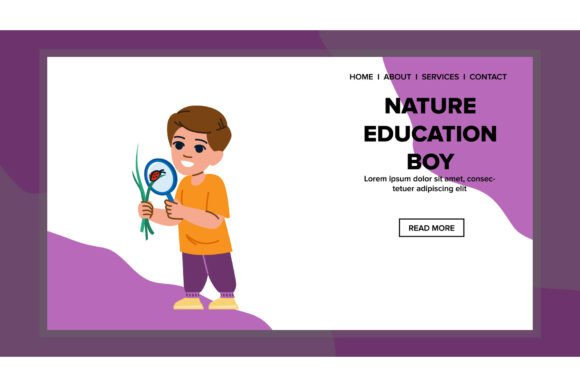
An Environment Nature Education Boy Vector is typically a scalable digital illustration featuring a young male figure interacting with natural elements. These graphics are often created in a flat cartoon style, characterized by clean lines, vibrant colors, and simplified forms. Unlike complex photographs, vector illustrations offer clarity and versatility, making them ideal for a wide range of applications from textbooks to web banners. The subject matter usually depicts scenarios such as planting trees, recycling, observing wildlife, or participating in school gardening activities.
The term encompasses not just the boy but the entire ecosystem presented around him. When we search for terms like "grass kid" or "school green," we are looking for imagery that contextualizes learning within a living environment. These visuals serve as a bridge, translating abstract concepts of sustainability into concrete, relatable actions that a child can understand and emulate. The "vector" aspect ensures that whether the image appears on a small mobile screen or a large classroom poster, the quality remains crisp and professional.
Addressing the Challenge of Environmental Engagement
One of the primary challenges facing modern education is capturing the attention of younger generations regarding climate change and environmental stewardship. Complex data and alarming statistics often lead to disengagement or anxiety rather than action. There is a distinct need for resources that make nature accessible, friendly, and actionable. This is where the Environment Nature Education Boy Vector becomes a vital tool.
Educators and content creators often struggle to find materials that balance seriousness with approachability. A photograph might be too realistic or intimidating, while a purely abstract icon might lack emotional connection. The goal is to create a narrative where the child sees themselves as a hero in the story of saving the planet. By utilizing a relatable character—a boy engaging directly with the grass, soil, and plants—designers can humanize the issue of environmental protection. This approach addresses the psychological need for children to feel capable and empowered rather than overwhelmed.
Practical Applications in Educational Settings
The utility of these vector illustrations extends across multiple platforms, offering flexible solutions for different user needs. In a classroom setting, teachers can use these images to create interactive worksheets, flashcards, and presentation slides. For instance, a lesson on photosynthesis can be illustrated with a boy watering a plant, providing a visual anchor for the scientific explanation. The flat cartoon style ensures that the focus remains on the educational content without unnecessary visual clutter.
Schools and Curriculum Developers: Institutions aiming to integrate "green" initiatives into their curriculum can utilize these vectors to brand their programs. A "School Green" initiative can feature a consistent mascot or set of characters derived from these vector files. This consistency helps build a recognizable identity for the program, reinforcing the message of sustainability every time a student sees the material.
Web Designers and Content Creators: For those building websites dedicated to nature education, the scalability of vector files is a significant advantage. An Environment Nature Education Boy Vector can be resized for a website header, a social media post, or a downloadable PDF guide without losing resolution. This adaptability is crucial for maintaining a professional look across diverse digital touchpoints.
Strategic Implementation for Maximum Impact
To truly benefit from these resources, users must consider how the imagery aligns with their specific goals. The effectiveness of the illustration depends heavily on context and color theory. When selecting or creating an Environment Nature Education Boy Vector, it is important to ensure that the color palette reinforces the theme. Greens, blues, and earth tones should dominate, evoking feelings of calmness and growth. However, strategic use of brighter accents can draw attention to key actions, such as a red recycling bin or a bright yellow sun.
Different users will approach this topic based on their unique objectives. A non-profit organization might prioritize imagery that emphasizes community and collective action, showing groups of children working together. In contrast, a textbook publisher might focus on individual discovery, depicting a boy closely examining a leaf or an insect. Understanding these nuances allows for the selection of the most appropriate assets to drive the desired outcome.
Key Considerations for Selection and Use
- Cultural Relevance: Ensure the depiction of the child and the environment reflects the diversity of the audience. Representation matters in fostering a sense of belonging and responsibility.
- Action-Oriented Poses: Choose illustrations where the character is actively doing something—planting, cleaning, or exploring—rather than passively standing. Action inspires action.
- Scalability and Format: Always opt for SVG or EPS formats when possible to ensure the vector benefits are fully realized across all devices and print sizes.
- Consistency: Maintain a consistent art style across all materials to build a cohesive brand or educational identity.
Outcomes and Long-Term Benefits
When implemented effectively, the use of an Environment Nature Education Boy Vector leads to tangible improvements in engagement and retention. Children are more likely to remember lessons accompanied by clear, positive visuals. Furthermore, these images help normalize environmental care as a daily habit rather than an occasional chore. By repeatedly exposing students to these friendly representations of nature stewardship, educators can cultivate a generation that views protecting the planet as a natural part of their identity.
For organizations, the long-term benefit lies in the creation of a strong visual language that communicates values instantly. A well-designed campaign using these vectors can cut through the noise of digital media, delivering a clear message about the importance of green schools and sustainable practices. The simplicity of the flat cartoon style ensures that the message is understood quickly, regardless of the viewer's age or background.
Conclusion: Empowering the Next Generation Through Design
The Environment Nature Education Boy Vector is far more than a decorative element; it is a strategic asset in the fight for a greener future. By addressing the challenges of engagement and providing versatile, high-quality visuals, these illustrations empower educators, designers, and advocates to tell compelling stories about nature. Whether used in a physical classroom, a digital app, or a global awareness campaign, the power of these images lies in their ability to connect the viewer to the natural world in a meaningful way.
As we continue to seek solutions for environmental education, integrating thoughtful, solution-focused design becomes increasingly important. By choosing visuals that highlight active participation and positive outcomes, we can inspire children to take ownership of their environment. The journey toward a sustainable future begins with the right tools, and for many, that journey starts with a simple, powerful image of a boy and the grass beneath his feet.